.svg)

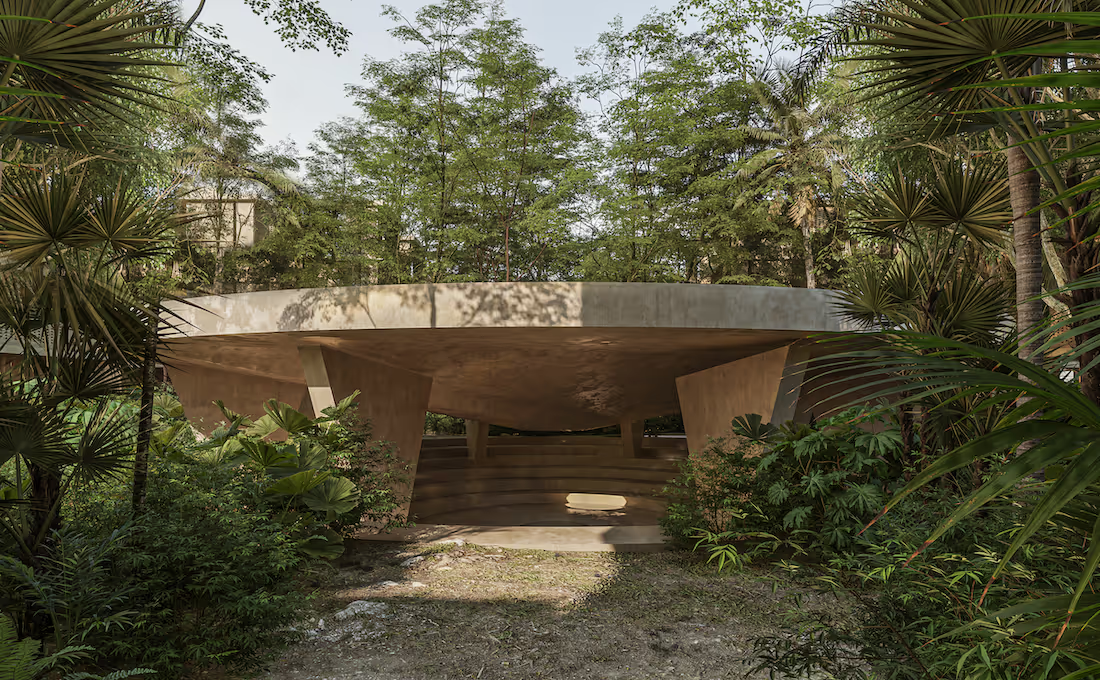
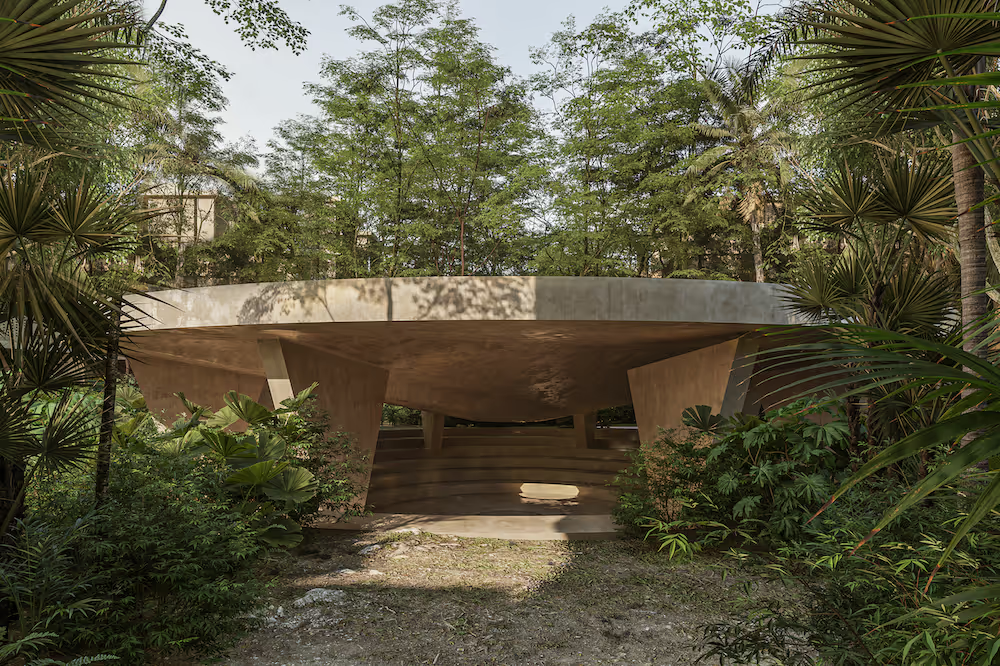
Tulum sits inside and beside one of the world's most sensitive ecosystems. The Sian Ka'an Biosphere Reserve, a UNESCO World Heritage Site, begins at the edge of the town. Underground cenotes feed the Caribbean. The jungle canopy regulates microclimate, humidity, and air quality for every home built beneath it.
When you buy an apartment in Tulum, you're not just buying a property. You're buying into an ecological relationship. What that development does, or doesn't do, to the land around it will shape the value, comfort, and conscience of your investment for decades.
This guide explains what responsible design looks like in practice, and why it's the smartest choice for buyers in this market.
Why Responsible Design Matters in Tulum
Tulum's appeal is inseparable from its environment. Buyers come for the jungle, the cenotes, the clean air, and the way the Caribbean light filters through palm canopies. That environment is also fragile.
Irresponsible development (clearing trees, using synthetic materials, ignoring drainage) erodes the very thing that makes Tulum valuable. Responsible development does the opposite: it works with the ecosystem rather than against it.
In Tulum, sustainability isn't a trend - it's increasingly a requirement. Developments that ignore it face growing regulatory pressure, lower buyer demand, and declining rental appeal.
Buyers and renters are also changing. A growing share of Tulum's visitors are environmentally conscious. They choose properties with solar power, natural materials, and preserved green areas. Responsible design is now a commercial advantage, not just an ethical one.
5 Pillars of Responsible Development
Not all eco claims are equal. Here are the five concrete practices that define genuinely responsible apartment development in Tulum.
- Solar energy systems: Communal solar plants power shared areas. Optional residential systems reduce individual electricity bills significantly — especially valuable as Tulum's grid remains less reliable than major cities.
- Full-cycle water management: On-site filtration for potable water, plus wastewater treatment plants. This protects the underground cenote system from contamination - a legal and ecological priority in the region.
- Green area preservation: Responsible projects dedicate the majority of their land to native vegetation. This maintains jungle microclimate, provides shade, supports local fauna, and sustains long-term aesthetic value.
- Local and natural materials: Chukum plaster, local limestone, and native hardwoods (tzalam, rosa morada) are sourced regionally. They perform better in tropical humidity and carry far lower carbon footprints than imported alternatives. These materials are also central to Tulum's broader architectural identity -explore how they shaped the architecture of Tulum residences from Maya origins to modern design.
- Natural ventilation design: Buildings oriented for cross-ventilation reduce or eliminate the need for air conditioning - cutting running costs and creating healthier, more comfortable indoor air quality year-round.
Each of these features directly reduces operating costs for residents and increases the property's appeal to the rental market. Responsible design and financial performance are not in conflict - they reinforce each other.
What It Looks Like in Practice: Mayab Tulum
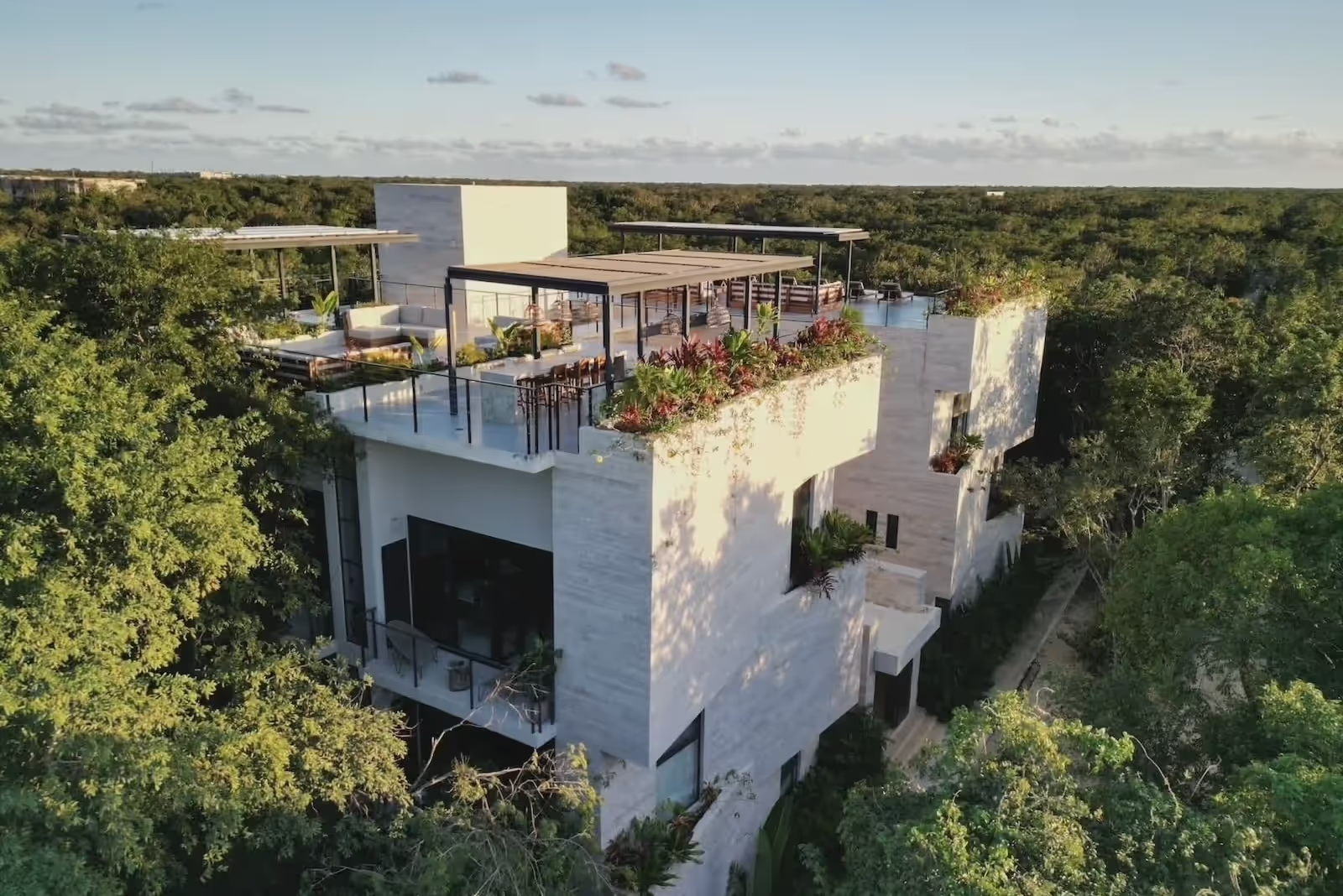
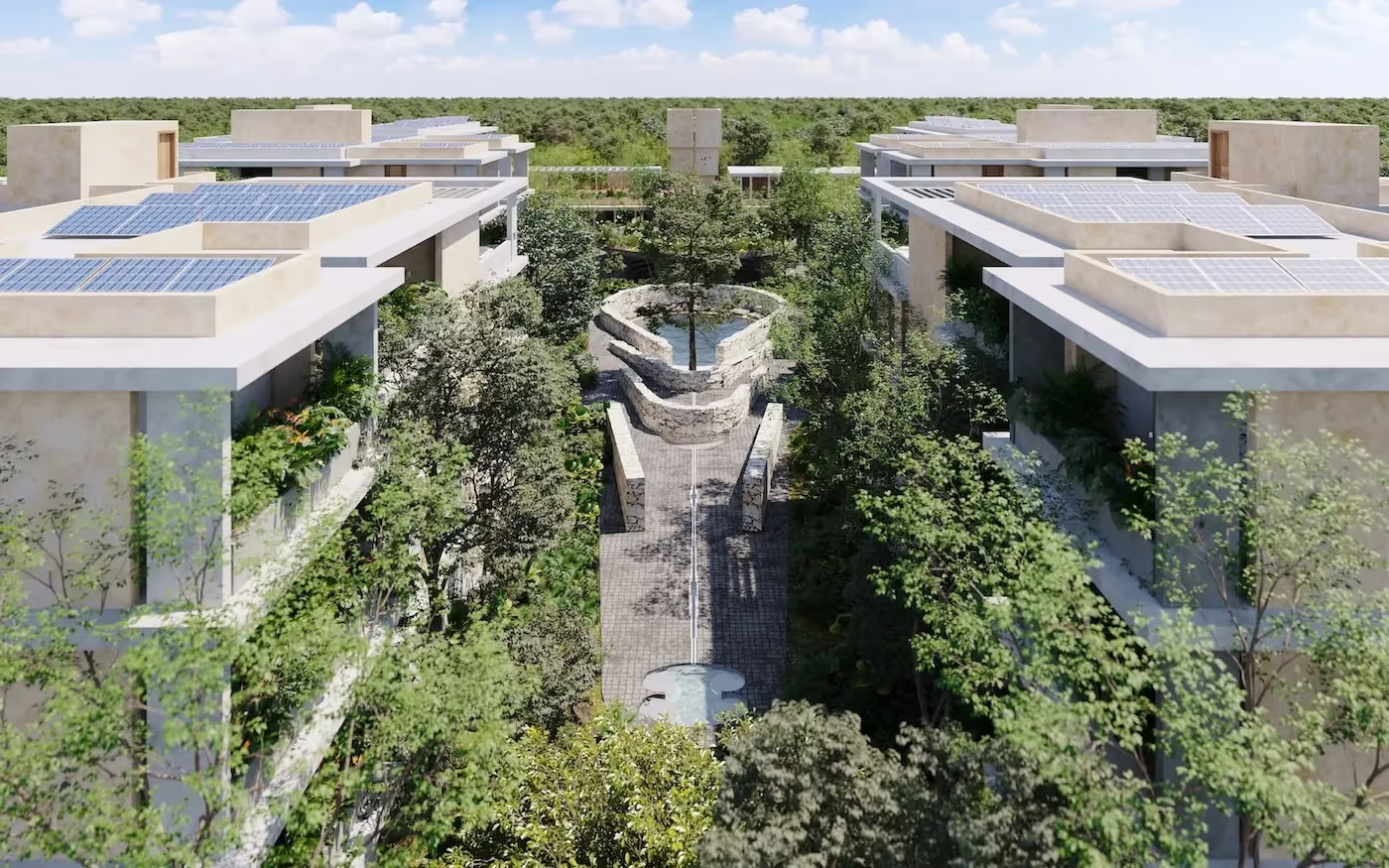
Mayab Tulum is a concrete example of how these principles translate into a finished development. Every design decision traces back to a sustainability commitment.
- Over 60% of land protected - The majority of the site is preserved as natural area for local flora and fauna. Residents live surrounded by jungle, not concrete.
- Communal solar power plant - Shared areas run on solar. Optional residential solar systems available for individual units, reducing monthly electricity costs.
- Full water treatment cycle - Potable water filtration and a wastewater treatment plant ensure responsible water use without straining local cenote systems.
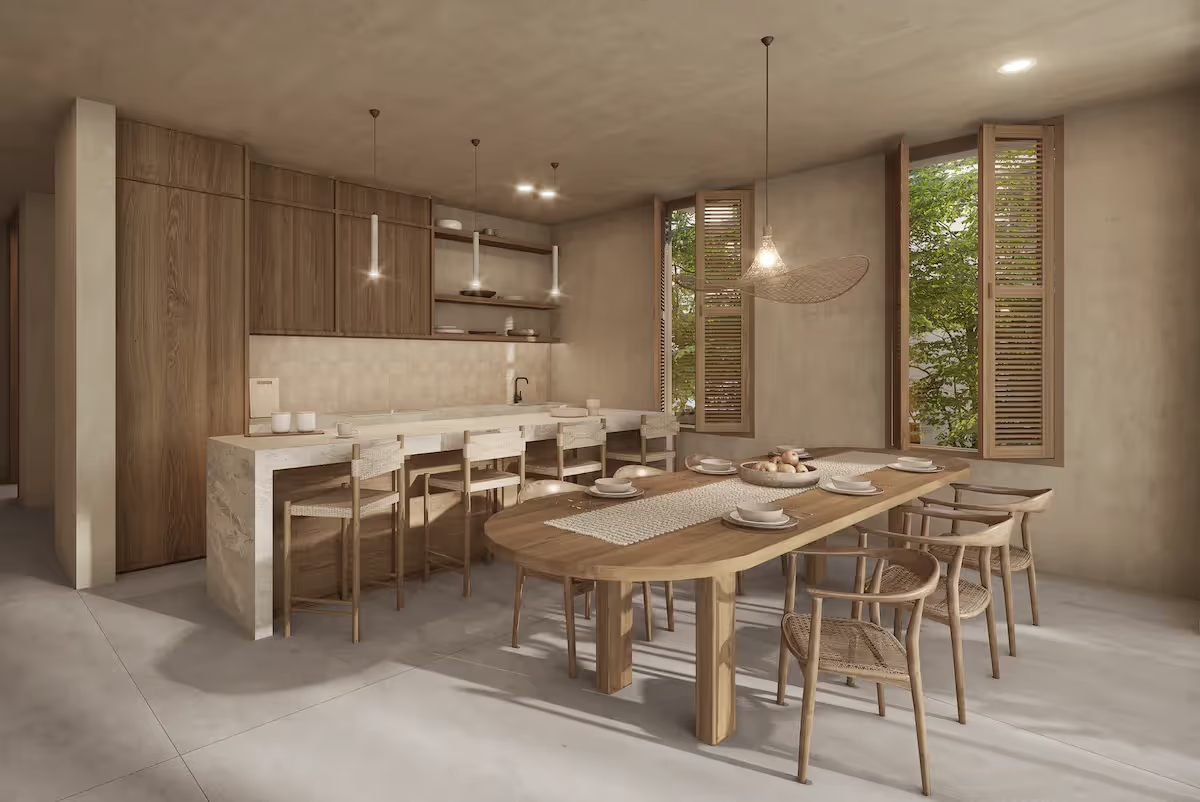
- Locally sourced materials throughout - Natural chukum stucco, local rock, and native wood used in construction, carpentry, and furniture. Zero synthetic surfaces in structural finishes.
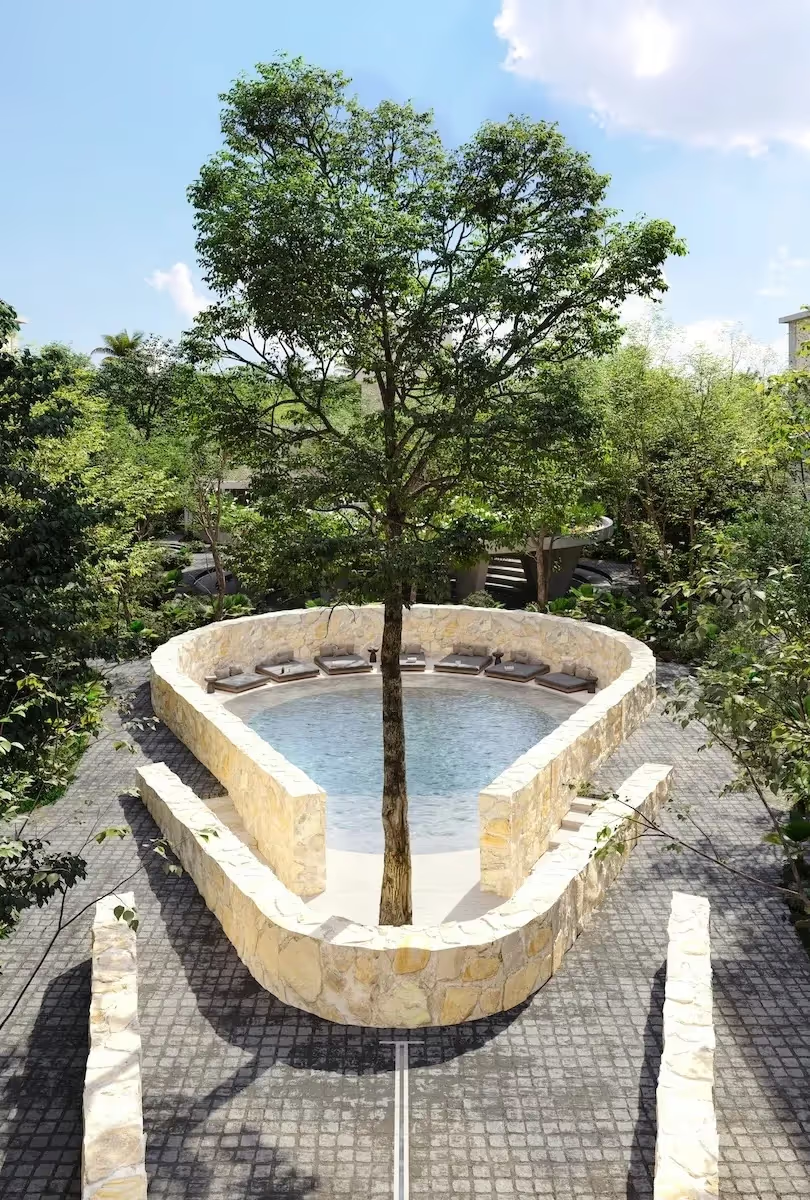
- Natural cenote-inspired pool filtration - The pool uses a chemical-free natural filtration system, safer for residents and the surrounding environment.
- High-efficiency appliances standard - All units fitted with energy-efficient appliances that reduce electricity and water consumption without compromising comfort.
Responsible development isn't a compromise on quality, it is quality. At Mayab Tulum, solar panels and wastewater treatment plants coexist with natural stone, ventilated walls, and endemic landscaping.
The Investment Case for Eco-Friendly Apartments
Beyond ethics, responsible design delivers measurable financial advantages for buyers.
Lower operating costs
Solar power, natural ventilation, and high-efficiency appliances reduce monthly bills for owners and tenants alike. This makes the property more attractive to long-term renters and digital nomads - Tulum's fastest-growing resident segment.
Premium rental demand
Eco-conscious travelers, a large share of Tulum's visitor base, actively seek sustainable accommodations. Responsible developments command higher nightly rates and attract higher-quality guests with lower turnover.
Long-term value protection
As environmental regulations in Quintana Roo tighten, non-compliant properties face higher risk. Responsible developments are built ahead of the regulatory curve. Our development 525 Tulum, for example, achieved an average 74% occupancy rate in 2023–2025 and delivered annual return of 8%, demonstrating that eco-friendly design and strong financial performance go hand-in-hand.
Buyer's Checklist: What to Look for
When evaluating any apartment in Tulum, use this checklist to assess the developer's commitment to responsible design.
- Solar energy infrastructure: Does the project include a solar plant for common areas? Are residential solar systems available?
- On-site water treatment: Is there a wastewater treatment plant on the property? A potable water filtration system?
- Green area ratio: What percentage of the total land is preserved as natural vegetation? Look for 50%+.
- Local material specification: Are chukum, limestone, and native woods specified in the construction documents?
- Natural ventilation design: Is the building oriented for cross-ventilation? Are there shaded terraces and deep overhangs?
- Reforestation commitment: Does the developer actively preserve and replant native jungle on the site?
- Named architectural studio: Projects by recognized studios with a clear sustainability mandate consistently outperform anonymous developments.
Final Thoughts
Choosing to buy apartment in Tulum today is more than a lifestyle decision - it’s a chance to participate in a movement toward responsible growth. By supporting projects that value environmental balance, cultural respect, and architectural integrity, buyers can ensure their investment contributes to Tulum’s long-term well-being.
If you want to understand the purchase process in more detail, read our complete guide on how to buy property in Tulum and discover our condos for sale in Tulum designed with sustainability and lasting value in mind.